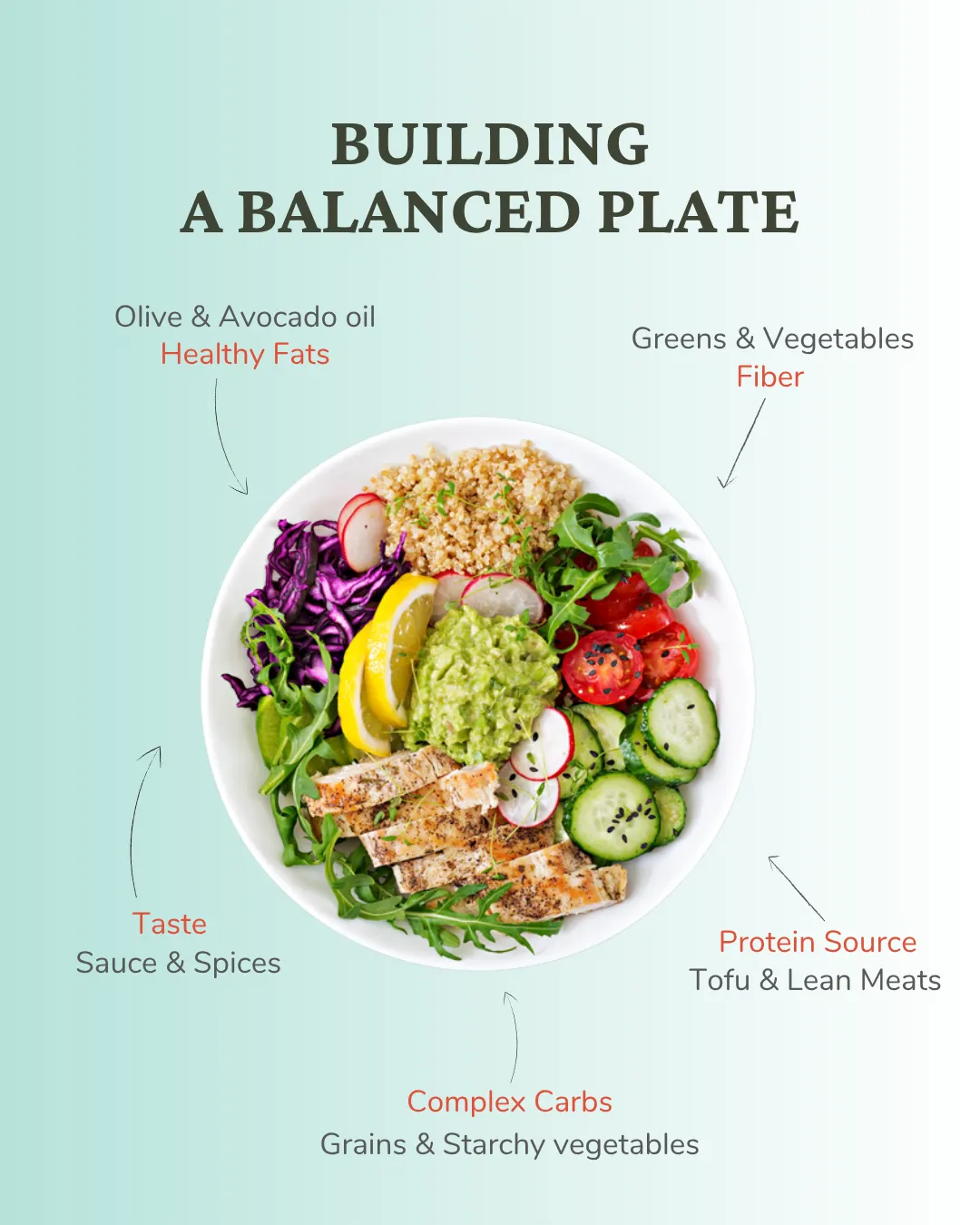
How to Build a Perfectly Balanced Plate
Building a Balanced Plate for Better Health
Choosing what to eat can sometimes seem overwhelming. However, building a balanced plate is easier than you might think. A balanced diet is key to maintaining good health and feeling energetic every day. Let's break down the essentials of creating a meal that's both nutritious and satisfying.
1. The Importance of Healthy Fats
Healthy fats are a crucial part of any diet. They help absorb vitamins, provide energy, and even keep your heart healthy. Oils like olive and avocado are excellent sources.
- Olive oil - Perfect for salad dressings and cooking.
- Avocado oil - Great for high-heat cooking and adding flavor.
2. Adding Greens and Vegetables for Fiber
Fiber is essential for digestion and helps us feel full. Including a variety of greens and vegetables will ensure you're getting enough fiber daily.
- Leafy greens - Try spinach, kale, or lettuce.
- Colorful veggies - Bell peppers and carrots add both color and nutrients.
3. Picking the Right Protein Sources
Protein is important for maintaining muscles and staying strong. It's beneficial to choose lean proteins that are lower in fats.
- Tofu - A versatile protein for both vegetarians and meat-lovers.
- Lean meats - Options like chicken or turkey are perfect for a balanced plate.
4. Incorporating Complex Carbs
Carbohydrates are the body’s main energy source. Choosing complex carbs ensures long-lasting energy and balanced blood sugar levels.
- Grains - Quinoa, brown rice, or whole grains are excellent choices.
- Starchy vegetables - Potatoes and corn can add necessary carbs.
5. Enhancing with Taste: Sauce and Spices
A little flavor can go a long way. Enhancing your dish with the right sauces and spices can make eating healthy exciting and delicious.
- Sauce - Consider homemade dressings or a splash of lemon juice.
- Spices - Garlic, ginger, and pepper can give diverse flavors.
Final Thoughts: Crafting Your Perfect Plate
Creating a balanced plate doesn’t have to be difficult or time-consuming. By focusing on these five areas — healthy fats, fiber from greens, lean proteins, complex carbs, and taste-enhancing spices — you can ensure each meal supports your overall health.
What's more, with a balanced approach, you're making informed choices that contribute to a sustainable and healthy lifestyle. Eating well is not just about restricting calories or dieting; it's about giving your body what it needs to thrive. So, go ahead and start building your own balanced plate today!